Paediatric Day Surgery Unit
Central Building (Ground Floor)
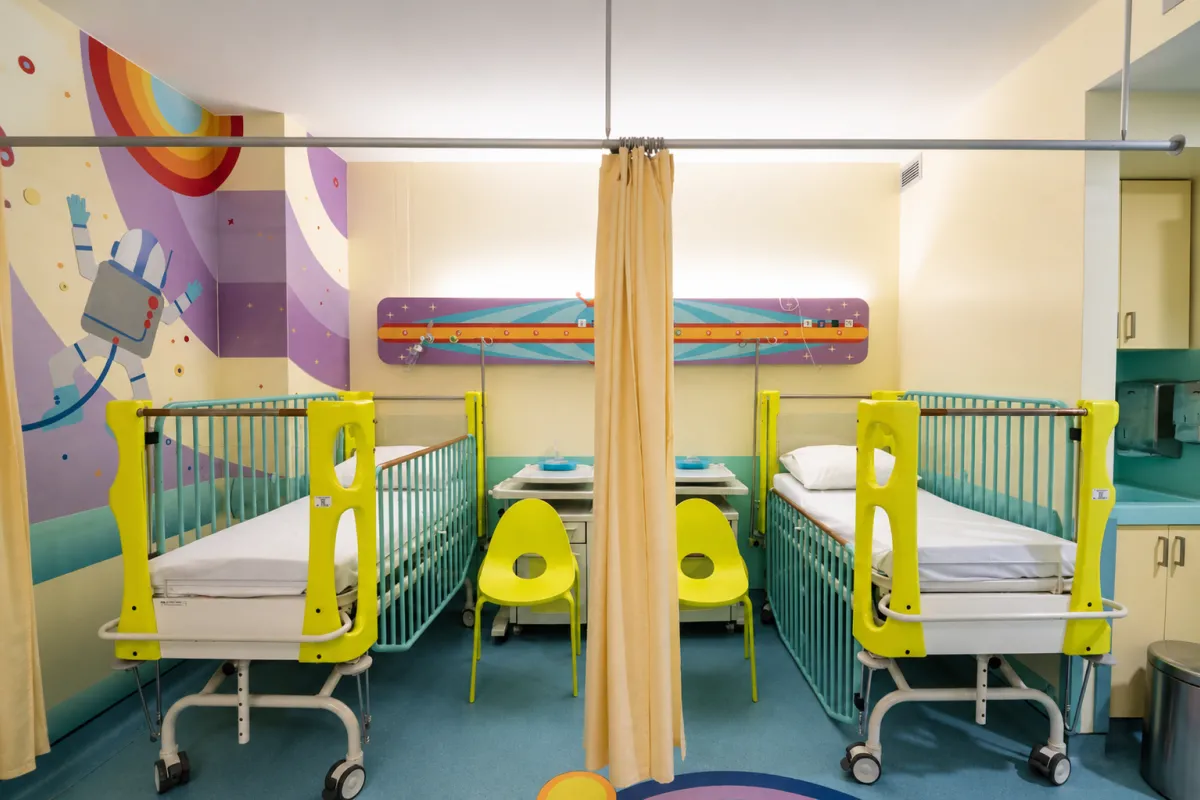
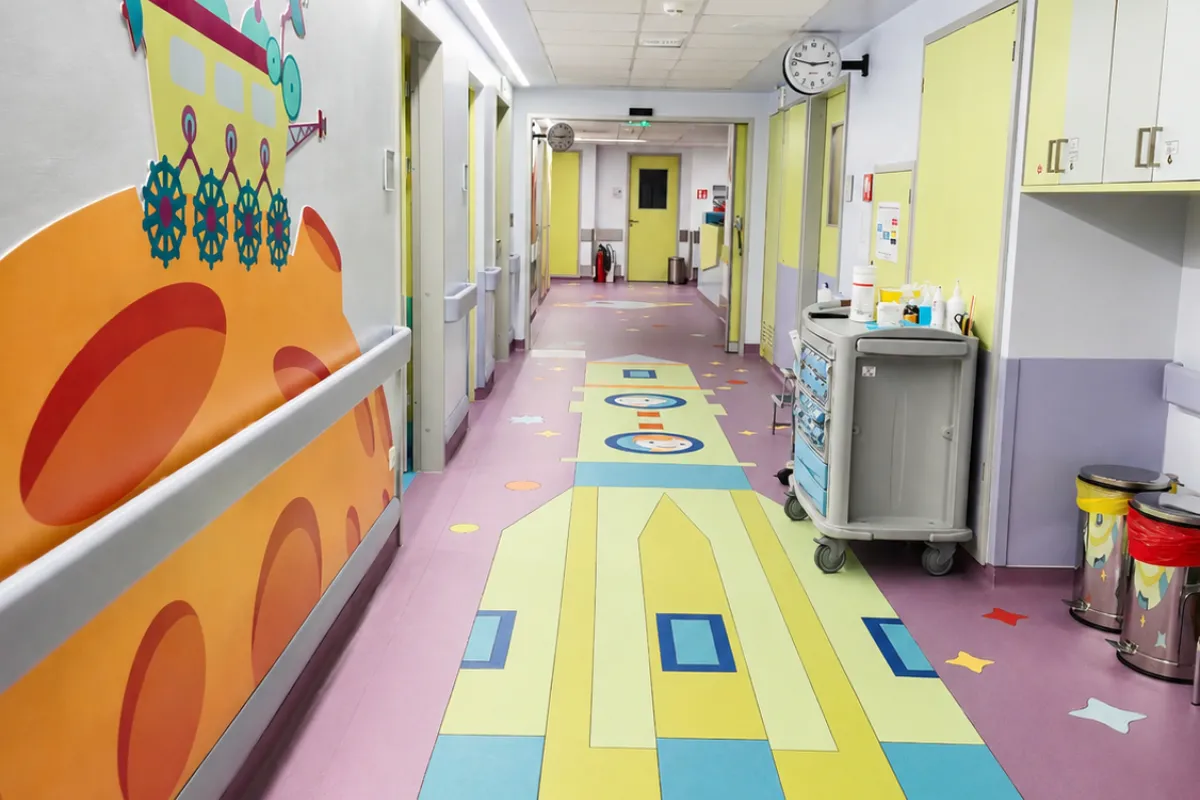
The Unit has been operating since 1995 and is located on the ground floor of the main building, in a fully organised and child-friendly area.
It has two modern operating theatres, a Recovery Unit with 3 beds, and 4 inpatient rooms with a total of 18 beds, ensuring high-quality paediatric surgical care for procedures that do not require an overnight stay.
Εικόνα
Clinical Work
- Performance of scheduled paediatric surgical procedures of low and moderate complexity
- Management of cases requiring short-duration anaesthesia or sedation
- Cooperation with all corresponding surgical subspecialties of the hospital
- Support for diagnostic procedures, biopsies and minor surgical procedures
- Application of international safety standards in the management of paediatric surgical patients
Services Provided
- Preoperative assessment and medical evaluation, including clinical, cardiological, anaesthesiological and laboratory assessment
- Surgical and diagnostic procedures under general or regional anaesthesia
- Postoperative monitoring in the Recovery Unit until the child is stabilised
- Short-stay hospitalisation in specially designed wards
- Issuing of written postoperative instructions and scheduling of follow-up examination
- Continuous communication with parents throughout the hospitalisation period
Types of Procedures
All procedures are performed by specialised paediatric surgeons in cooperation with anaesthesiologists experienced in paediatric anaesthesia.
Hospitalisation Procedure
-
Preoperative Assessment
Comprehensive medical and laboratory assessment in accordance with safety standards
-
Day of Surgery
Admission in the morning, performance of the procedure, and postoperative monitoring.
-
Discharge
On the same day, provided that the safe discharge criteria are met.
-
Instructions
Detailed written and verbal instructions are provided to parents, and a follow-up examination is scheduled.
Εικόνα
Eligibility Criteria
- Age ≥6 months, depending on the type of procedure
- Good overall health status
- No serious systemic or chronic diseases
- Ability to ensure safe postoperative monitoring at home
Advantages
- Reduced length of hospital stay
- Faster recovery and return to daily activities
- Reduced risk of hospital-acquired infections
- Enhanced psychological comfort and sense of security for the child
- Optimal use of hospital resources