Useful Information for Your Visit
We have compiled the most frequently asked questions to help you prepare for your child’s visit or hospital stay.
Appointments are scheduled through the central booking system by phone via 1566 or electronically
through the website 1566.gov.gr. In emergency situations, attendance is direct at the Emergency Department.
- The child’s personal items (clothes, pyjamas, toiletries)
- The child’s favourite item, e.g. a toy
- Any medication the child is taking, with dosage instructions
Upon arrival at the Emergency Department, a medical assessment is performed in the Triage. The patient is evaluated and categorized based on the severity of their clinical condition and treated according to the priority level.
If hospitalization is deemed necessary, admission is carried out through the Patient Admission Office.
The Clinic’s medical team informs the parents daily, during the morning ward round or at a scheduled communication time.
The morning medical and nursing ward round takes place between 07:00–13:00.
Visits are not permitted in the inpatient wards. In particular, other children are not allowed to enter the wards of hospitalised patients.
Up to two (2) companions are allowed for each hospitalised child.
For the prevention and control of healthcare-associated infections, the presence of one (1) companion is recommended.
During the period from 07:00 to 13:00, only one (1) companion per patient is allowed, in order to facilitate medical care and ensure compliance with infection control rules.
Limiting the number of companions reduces the risk of the spread of infections, protects vulnerable hospitalised children, such as newborns, immunocompromised patients and others, and contributes to the safety management of the wards.
If they have fever, cough, gastrointestinal symptoms or any other symptom of infection, they must avoid entering the hospital.
Yes. Parents/guardians have the full right to be informed about the child’s condition and to participate in decision-making.
Yes. Compliance with hygiene rules, such as hand hygiene and the use of a mask where required, maintaining quiet, and following staff instructions are essential for everyone’s safety.

What I will need for hospitalization
- The child’s Health Booklet / Health Record, duly validated.
- The AMKA number of the child and of the directly insured parent.
- The parent’s/guardian’s identity card.
- Admission notice, if provided by a doctor.
- Pyjamas, a robe and slippers.
- Personal hygiene items, such as toothbrush, shampoo, etc.
- The child’s favourite toy or book for comfort.
- Comfortable clothes for the accompanying parent.

What will I need for a doctor’s appointment?
For a visit to the Regular Outpatient Clinics, please bring with you:
- The child’s Health Booklet / Health Record.
- The child’s AMKA number.
- Previous test results or medical reports related to the health issue.
- The referral note, if available.
Each inpatient ward has a special reclining chair-bed next to the child for the companion’s rest. The stay of one companion per child is permitted overnight.
The hospital provides full meals for hospitalised patients in accordance with the doctors’ instructions. For companions, there is a cafeteria on the ground floor with extended opening hours.
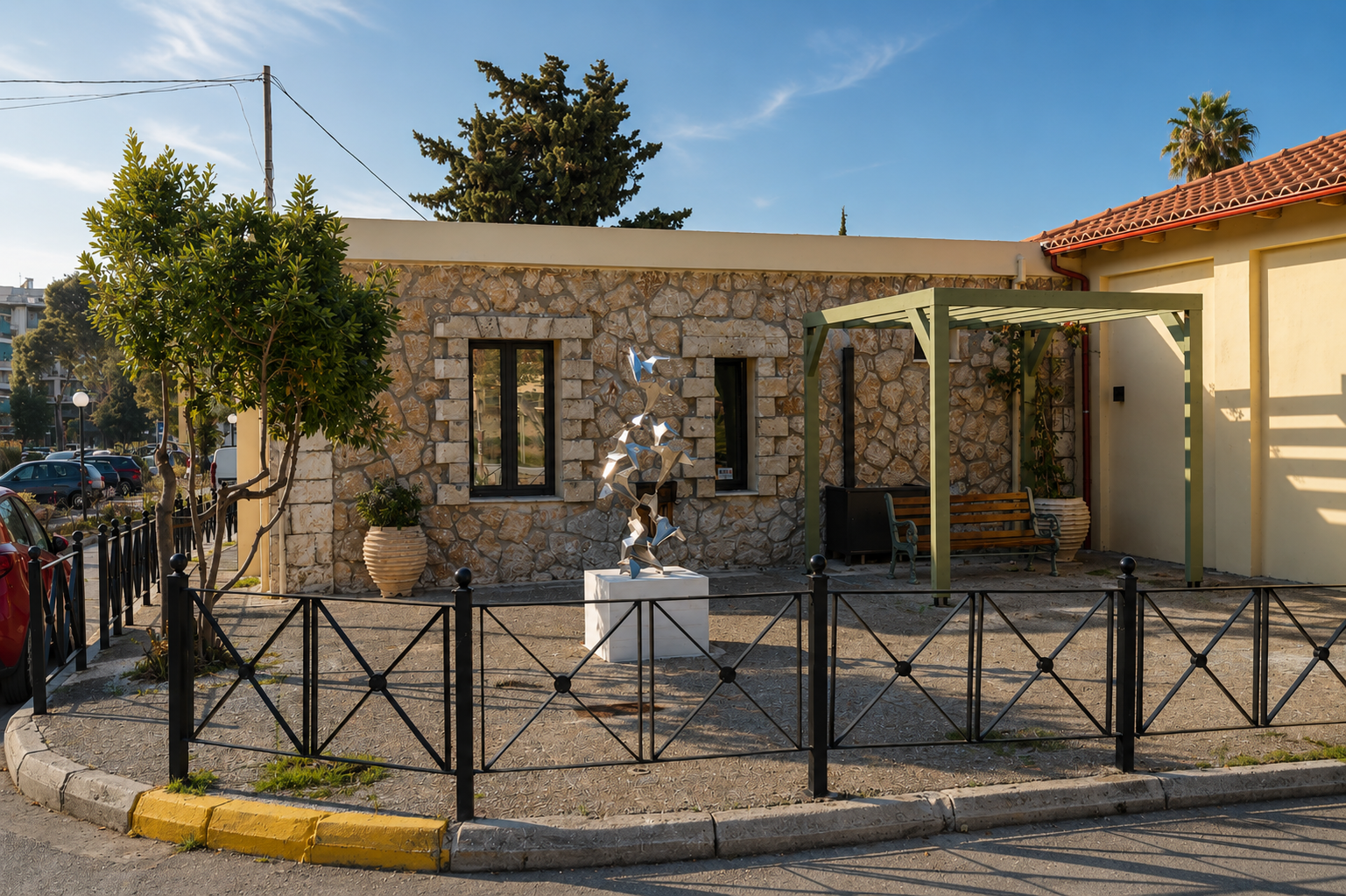
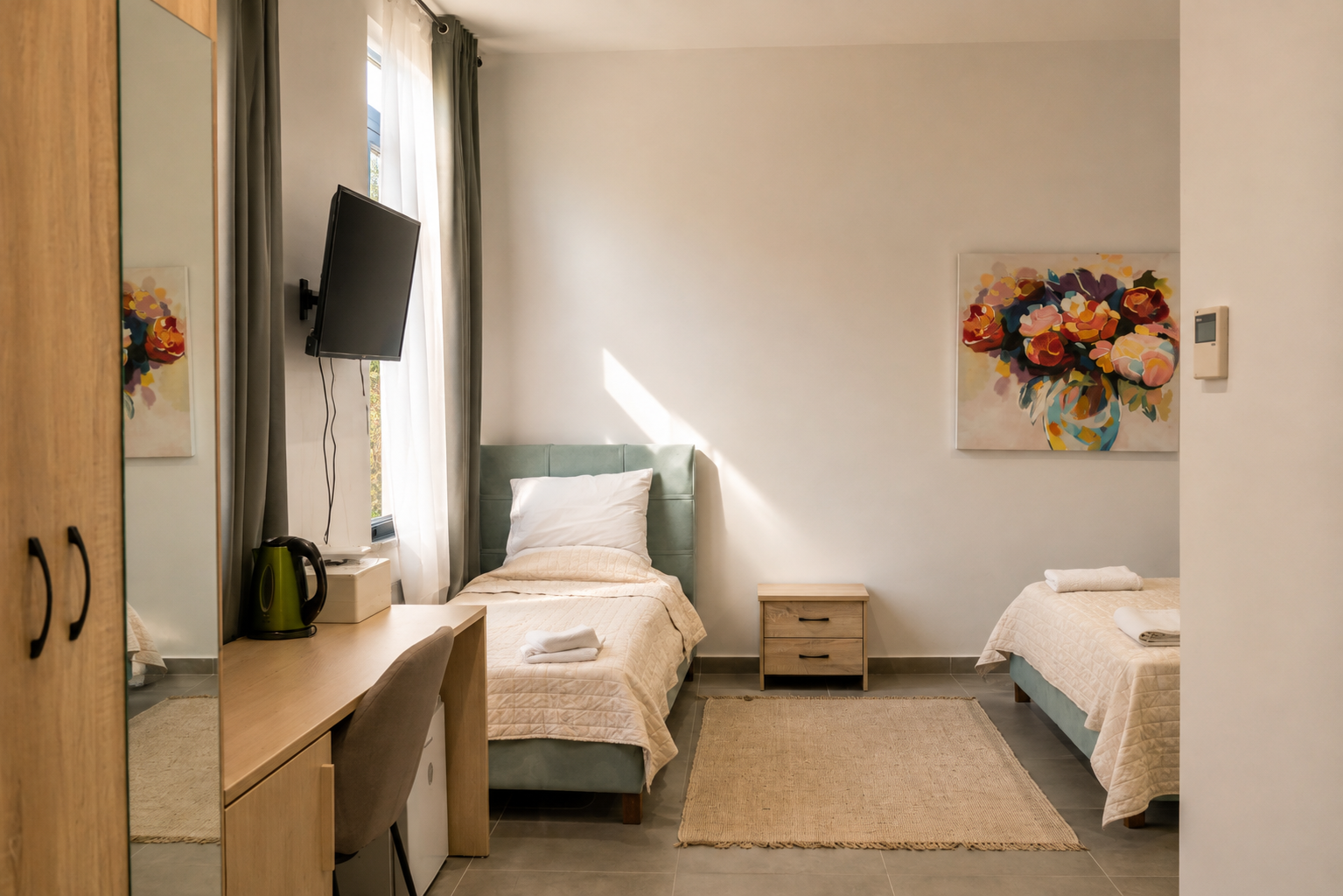
The Ronald McDonald Family Room at "Agia Sofia" Children's Hospital is an important accommodation facility for families of children who are hospitalized at the hospital and come from areas outside Attica or are facing particular social and financial difficulties. Its aim is to provide a safe, comfortable, and welcoming environment where parents or caregivers can stay close to their children throughout their hospitalization, contributing to the psychological support of the family and improving the overall care of young patients.
Learn more on the Ronald McDonald House website.
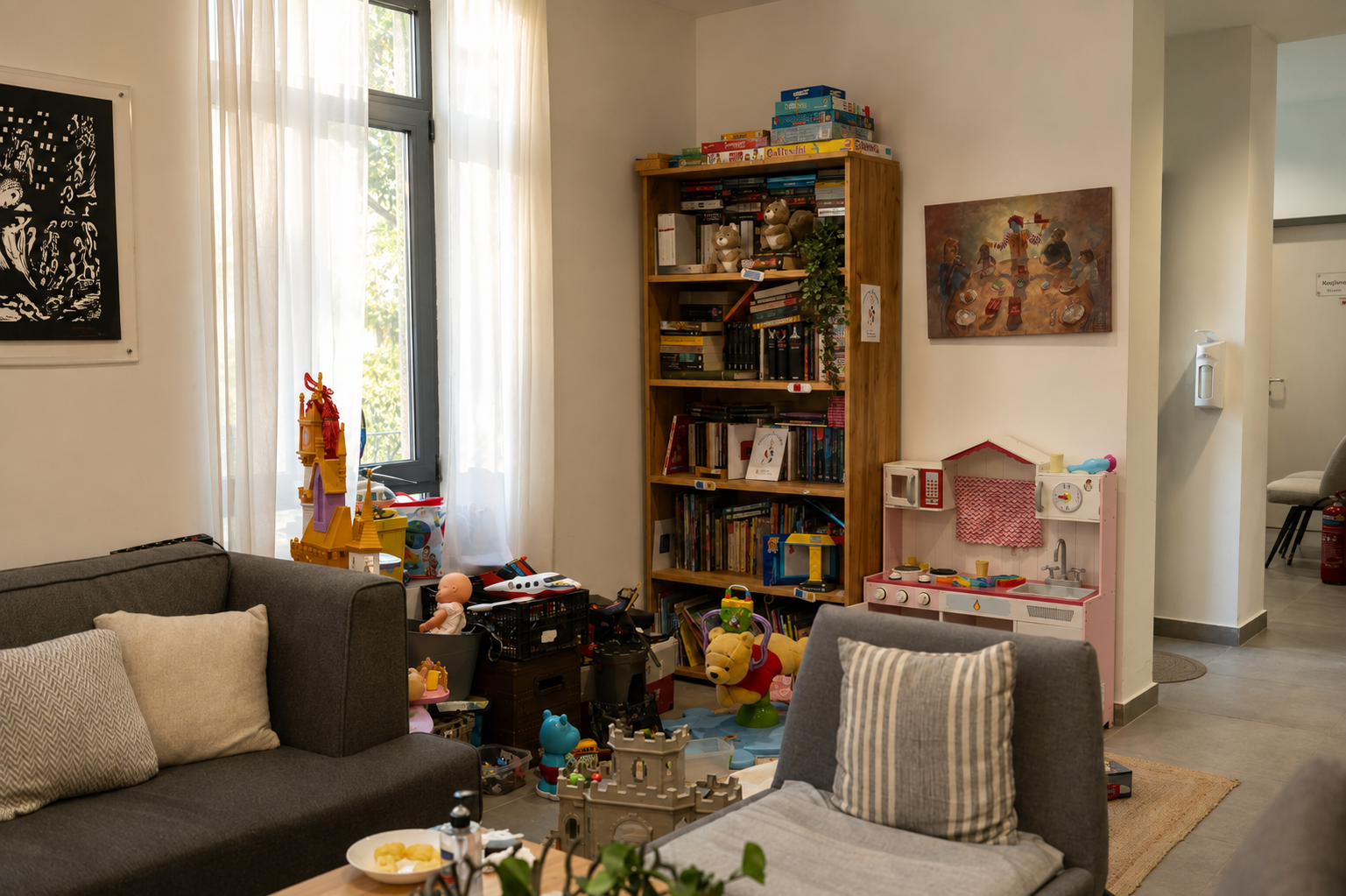
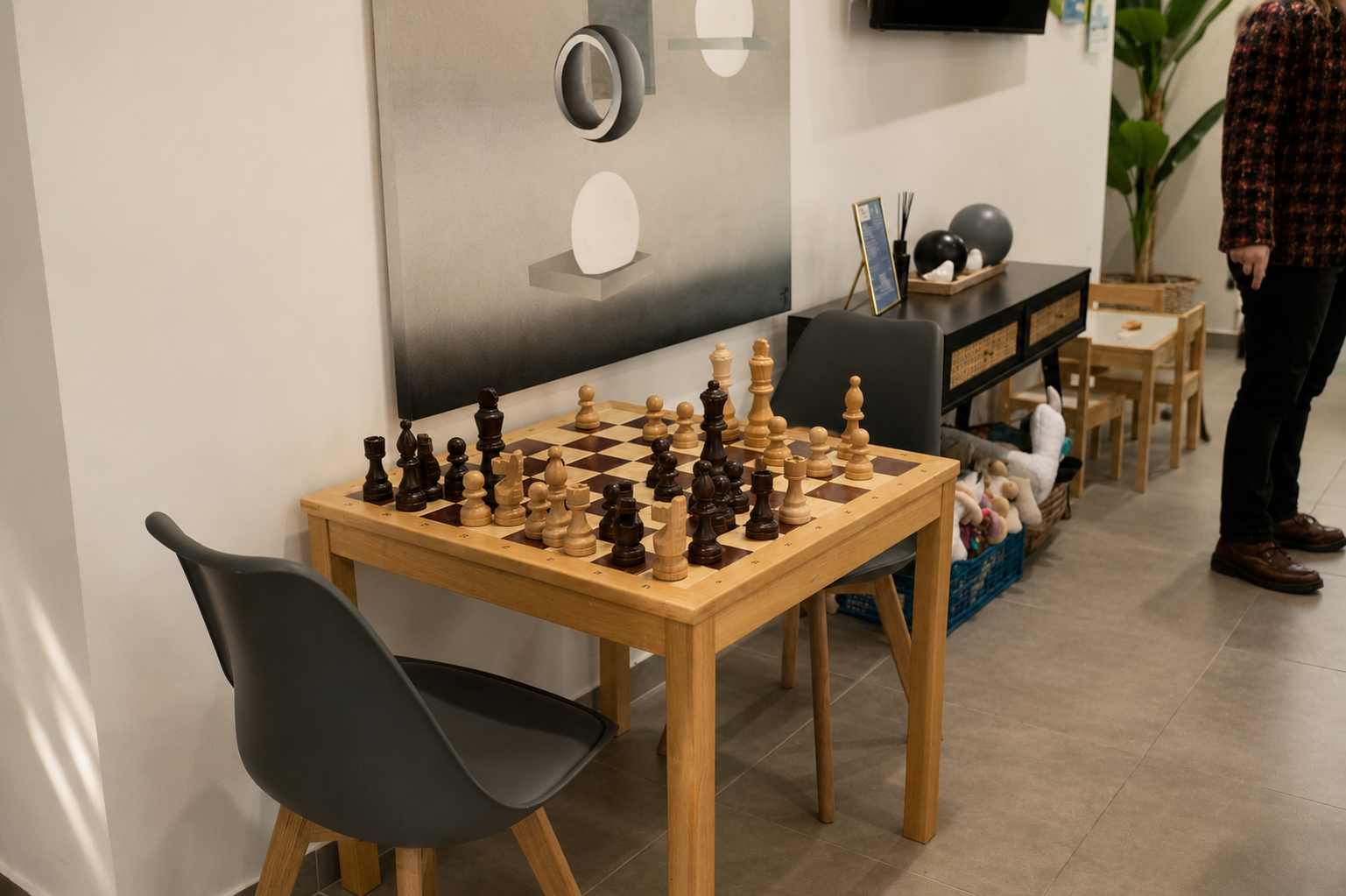
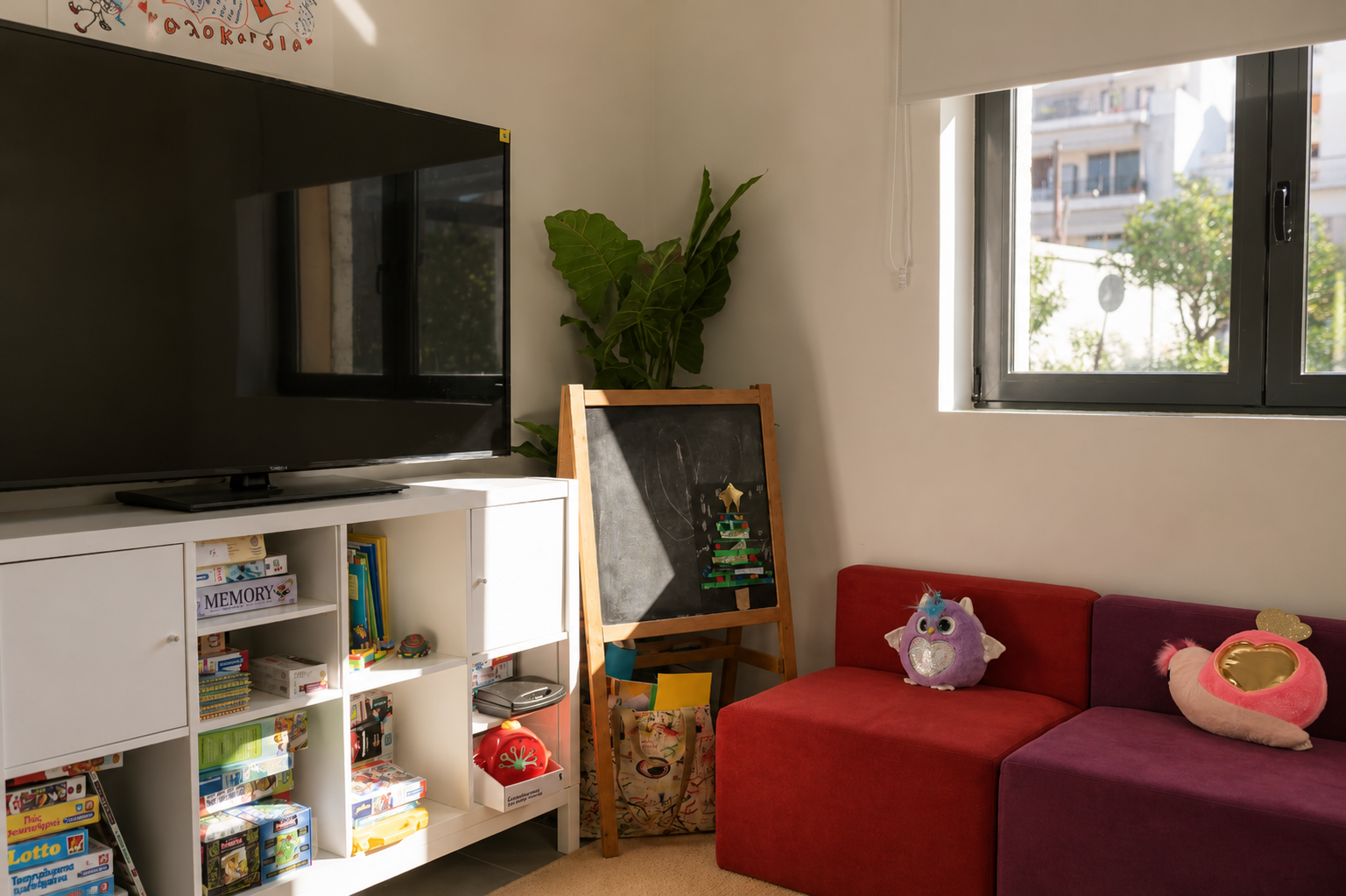
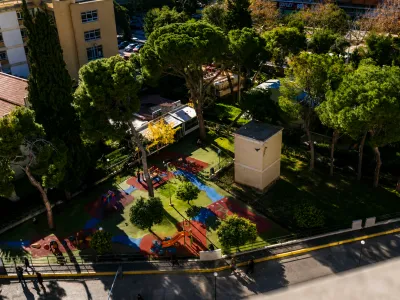
The Hospital also features a Playground, a specially designed area created to offer children moments of relaxation, play, and creative activity.
The playground helps create a friendlier and more familiar environment for young patients and their families, giving children the opportunity to take a short break from the daily routine of the Hospital, have fun, and feel more comfortable during their stay.
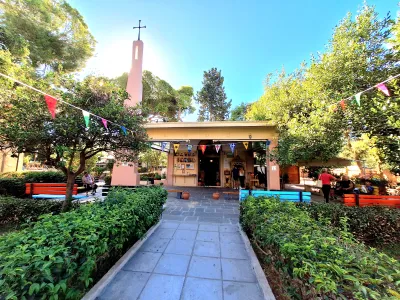
The Hospital has a chapel that provides a place for prayer, peace, and spiritual support for young patients, their families, visitors, and staff. The presence of the chapel offers a point of comfort for those seeking a few moments of reflection and strength during their stay at the Hospital.
We believe that play is therapeutic. In our hospital’s play areas and in the wards, specialised educators and volunteers engage children in painting, crafts and board games, making their stay more pleasant.
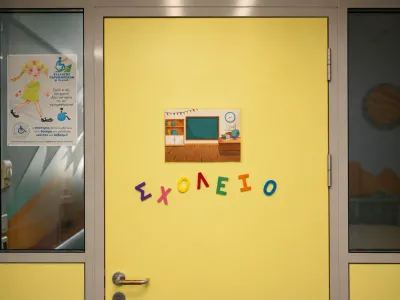
To help children stay connected with their studies during long-term hospitalization, the hospital operates a Kindergarten, Primary School and Junior High School, staffed by teachers from the Ministry of Education.